
I have always struggled with the act of coping. I don’t think I ever learned how to deal with emotions in a healthy way. The bad thing would happen, and then I would act as if it never happened until it was buried deep enough that I wouldn’t cry myself to sleep every night thinking about it. The first time I was sexually assaulted I was sixteen, I hadn’t been able to live yet and I already felt like my life was over. I buried that experience so deep that I wasn’t able to talk about it with anyone until I found a therapist I trusted six years later. When I was able to open up, it broke me down; every emotion I had been hiding from was now suffocating me. Every day from that point was filled with constant reminders: a bus would pass or a man would get too close to me and I would be back as that frightened sixteen-year-old stuck crying on a park bench in ripped clothing. Even after speaking about the bad thing, I still felt like I couldn’t accept that it actually happened.
A few months ago, I watched Sorry, Baby and for the first time, I felt seen. I had two panic attacks and almost threw up (it was an empty screening thank god) but I actually felt seen. The way in which Eva Victor portrayed their character (Agnes) filled me with such a familiar feeling of pain and sadness. I also felt relief, despite the panic attacks, I felt like I could breathe easier than before because seeing Agnes live helped me realise that I too could live.
Six weeks ago, I was sexually assaulted for the second (and hopefully last) time. In the typical me fashion, I haven’t spoken to anybody about it since. It’s scary to relive what happened, there’s comfort in repeating my same mistakes. Then I went home for the holidays, I returned to my childhood bedroom where the sixteen year old me spent years isolating in; I laid on the same blood stained mattress and couldn’t help thinking I wish I didn’t do this to my younger self. I realised I needed to stop doing the same to my current self and to do that I had to accept that it actually happened. It sounds like I’m ramping up to go on some spiritual journey within myself but I actually decided watching my favourite film of last year that deals with being sexually assaulted would be more beneficial.
The opening minutes of Sorry, Baby perfectly set the two tones this film takes. The long drawn out establishing shot of the house in the dark immediately creates a sense of dread and isolation. But then Lydie (Naomi Ackie) arrives, everything seems lighter and any sense of tension has been replaced with the comfort of familiarity. The relationship between Agnes and Lydie is beautiful and seems very natural thanks to the outstanding performances of Victor and Ackie; the duo’s chemistry lights up the screen which gives a drastic contrast to when they aren’t together. Agnes’ solo scenes are darkly lit with a somber score paired with lengthy static shots that create a sense of impending tragedy that never comes to fruition. As soon as Agnes has companionship, most prevalent with Lydie, the lighting is bright, the music is cheerful and the world feels warm.
Lydie is the kind of friend I wish everyone who’s experienced a bad thing could have; she’s supportive in a way that demonstrates she wants to be and doesn’t feel obligated. When you open up about being sexually assaulted, most people (understandably) look scared and start handling you like glass. It’s natural to feel sympathy but the sympathetic glances and the constant “I’m sorry this happened to you” can be overwhelming. Lydie never treats Agnes like they are broken even after being present at many breakdowns; she sees the person beyond just being a sexual assault survivor.
Their relationship could be interpreted as one-way dependency as Agnes relies heavily on their friend, at one point desperately asking for her to come back soon before she has even left. Despite this, I think this more emphasises the loneliness one feels after experiencing the bad thing. Agnes is often surrounded by people but Lydie is the only one who truly sees them. The non-linear storytelling lovingly shows their friendship before the trauma, they went to college together and lived together in Agnes’ current day house. It’s the perfect premise and characters for a sitcom. Agnes was always the same funny, kind person we see now, just without the dread and paranoia that now creeps in during every moment of solitude.

It is tragic to watch the haunting reality of the people around you moving forward with their lives while being stuck in the same place with constant reminders of why your life hasn’t changed. Lydie leaves town, gets a job in New York, gets married (to a person who looks so similar to Agnes) and they have a baby together. Agnes still lives in the house they have had since college, works in the college they attended, has almost no social life outside of work and only experiences true joy when Lydie is able to visit. Throughout the film, Agnes does try to advance their life but every step forward is tainted by the reminders of what happened. When they get a promotion, their attacker’s past compliments are referenced, when they adopt a cat, they see a man similar looking to him which causes them to panic, when their neighbour invites them into his house, they want to but can’t bring themselves to enter. Agnes can’t even partake in jury duty without the bad thing taking over the scene.
The scene that made me sob the first time I watched was when the bad thing happened. We don’t see it but what we do see haunted me. It’s a long shot of a house but this time it’s Agnes’ professor’s house. Agnes enters during daytime, the door shuts and it is silence. After what feels like forever but was really twenty seconds, it cuts to the same static shot but the sky is darker. Another forever passes and it cuts to the same shot in complete darkness now. The entire time I was holding in a panic attack, pleading in my head for Agnes to leave before something happened and every time jump felt like a punch to the gut. Agnes does leave, they rush out as their professor watches in silence. The expression on their face is vacant as they drive home. There is no way to describe the feeling after the bad thing happened but Eve Victor’s performance in this scene is what I would show people as an explanation of what it feels like.
Both Agnes and Lydie refuse to refer to the sexual assault as anything other than the bad thing. They are taken aback when the doctor refers to it as rape and Agnes later admits they have never said it out loud before. It’s scary to admit the bad thing has happened, calling it sexual assault or rape makes it feel real whereas it’s easier to suppress it or be in denial about it if it’s never referred to properly. The refusal to speak about the bad thing causes Agnes to settle for uncomfortableness rather than making those around them uncomfortable. When Agnes gets their promotion they are given the office in which their attacker uses to have, making Agnes visibly unsettled upon entering but they do not ask to move offices so they can continue to avoid talking about the bad thing.
Instead of addressing trauma, Agnes prefers to use humour to deflect and distract. The film copies this technique, jumping from scenes of genuine discomfort to a bright, jovial scene that is often accompanied by an upbeat score. Instead of coming across as unusually frantic, the scene order carefully portrays the ups and downs of Agnes’ life; not every day is a bad day, there is still opportunity for them to find joy in their life, even if there is a constant underlying reminder of their trauma.
Whenever Agnes is asked about their future they state that they don’t see themselves getting older which is an indirect way of saying they think they’ll die before they age. Agnes is never outwardly suicidal but it’s obvious they have and likely still do consider taking that action. I think this is a common attitude among some young people who can’t imagine too far in the future because they see themselves committing suicide before that happens. The closing scene sees Agnes speaking to Lydie’s baby alone, telling the baby that they will be there for her when she grows up to talk about anything even if a bad thing happens. This is the first time we see Agnes plan something for their future, even if it seems like a small insignificant plan to speak to a grown up version of a baby, it’s still maddeningly hopeful to see this character admit that they want to stay alive.
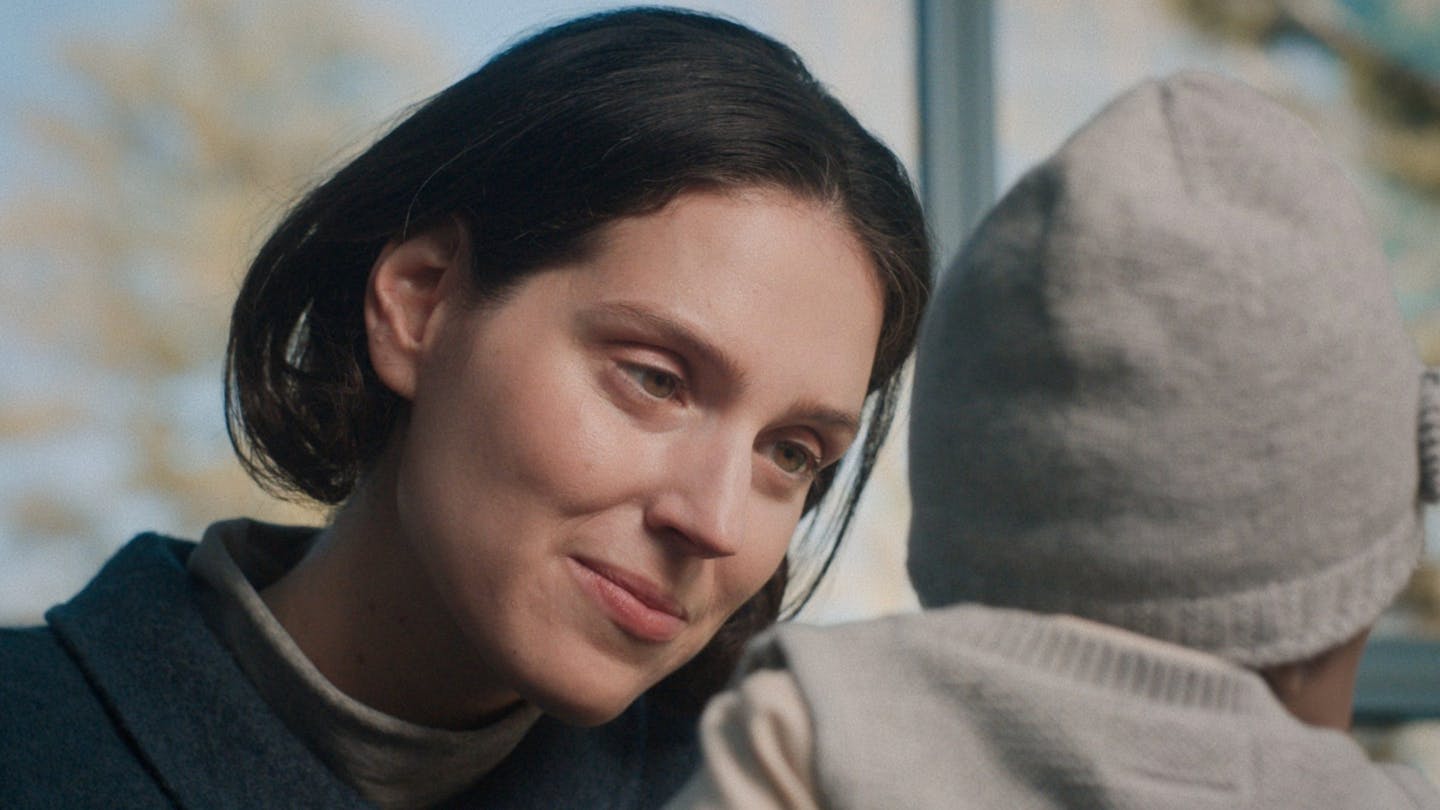
I was really scared to rewatch this film despite it being one of my favourite films of the last year. My first viewing experience included two panic attacks and a lot of tears and I have been in a more emotional state of late so I expected this to trigger some sort of breakdown. I did have a panic attack and I am still crying as I type this but I’m so glad I have Sorry, Baby. This film makes me feel normal. I’ve never really seen films with characters who I saw myself in but now I have Agnes. When my friends ask me nicely to not die or when I scare people with my panic attacks, I’m going to know I don’t need to feel like a freak for this because it happens to other people. I found the paranoia Agnes experiences uncomfortably relatable. Every time they double checked their door was locked reminded me of how I move furniture in front of my bedroom door as I sleep to lock myself in, which I’m sure is a fire hazard, but feels necessary anyway. I know a lot of people who watch this film will unfortunately relate to Agnes, and I hope they all find the same comfort I was able to find. I’m extremely grateful that this film exists and I hope it’s back in cinemas again one day so I can make everyone I know come watch it.

 i've seen jaws
🤎
LikeLike